
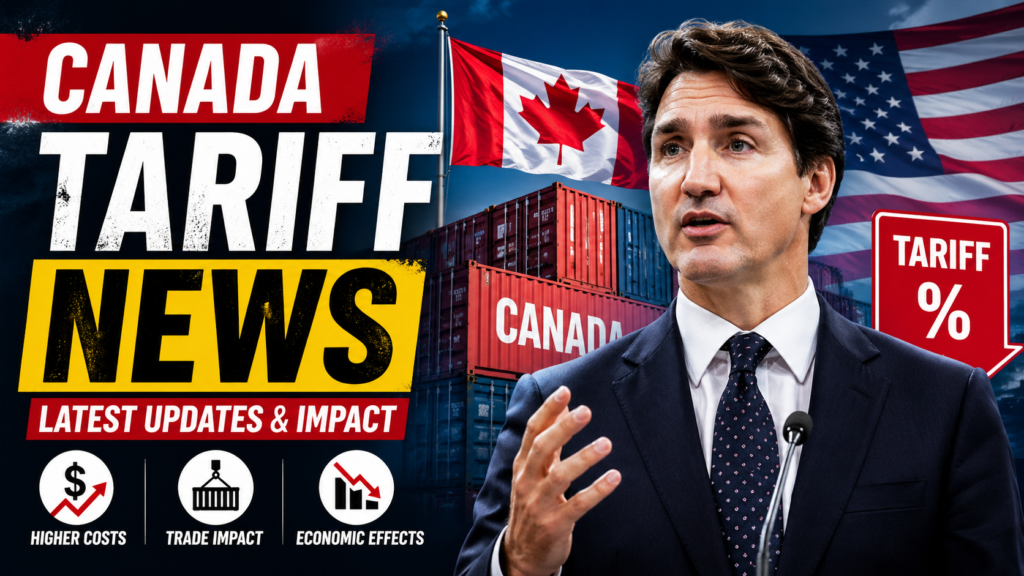

Canada’s trade policies, including tariffs, play a significant role in shaping the country’s economy and its relationships with other nations. Whether you’re a business owner, policy analyst, or simply someone interested in global trade, staying updated on Canada Tariff News is crucial. This article delves into the latest updates on Canada Tariff News import and export regulations, offering insights into how tariffs affect businesses, consumers, and international trade dynamics.
Understanding Canada Tariff News
Canada Tariff News is a set of duties and taxes that the government imposes on imported goods. The tariffs are designed to regulate trade, protect domestic industries, and generate revenue for the government. Importers pay these tariffs when goods enter the country, and the rates can vary depending on the type of product and the country of origin. The tariffs are managed by the Canada Border Services Agency (CBSA) and are based on the Harmonized System (HS) Code, which classifies goods by categories.
The Role of Tariffs in Canada Tariff News Agreements
Canada is part of several international trade agreements that impact its tariff policies. One of the most significant agreements is the Canada-United States-Mexico Agreement (CUSMA), which replaced the North American Free Trade Agreement (NAFTA). CUSMA aims to reduce tariffs and provide more favorable trading conditions between the three countries. Additionally, Canada is a member of the World Trade Organization (WTO), which sets global rules for trade and tariff levels. Understanding how these agreements influence Canada’s tariff system is essential for businesses that engage in international trade.
Recent Changes in Canada’s Tariff Policies
In recent months, Canada has made several changes to its tariff policies, particularly in response to shifting global trade dynamics. These changes are often influenced by political negotiations, economic considerations, and evolving trade relationships. For example, Canada has introduced new tariffs on certain steel and aluminum products in response to national security concerns raised by the U.S. government. Similarly, Canada has adjusted tariffs on agricultural products to protect domestic farmers from foreign competition. These changes can have significant implications for businesses that import and export goods.
Canada Tariff News: Impact on Consumers and Businesses
The news surrounding Canada’s tariffs is not just relevant for government officials and policymakers but also for businesses and consumers. Import tariffs can lead to higher costs for imported goods, which are often passed on to consumers in the form of higher prices. For example, when Canada imposes tariffs on foreign steel, manufacturers who rely on these materials may face increased production costs, which could lead to higher prices for consumers.
On the other hand, export tariffs can also affect Canadian businesses that depend on international markets. When tariffs are imposed on Canadian exports, it can make Canadian goods more expensive in foreign markets, potentially reducing their competitiveness. Businesses must closely monitor these changes to understand how they could impact their bottom line.
How Tariffs Affect Specific Industries in Canada
Canada Tariff News policies have varying effects on different industries, and understanding these effects is crucial for businesses in the country. For example, the automotive industry is one of the most affected by tariff changes, especially with the ongoing trade tensions between Canada and the U.S. Similarly, agriculture, textiles, and technology sectors also experience significant impacts due to tariffs. By analyzing the latest tariff news, businesses in these industries can better prepare for any changes that could affect their operations.
The Future of Tariff Policy in Canada
As global trade continues to evolve, Canada’s tariff policies will likely continue to change. The rise of new economic powers, changes in political leadership, and emerging trade technologies could all play a role in shaping the future of tariffs in Canada. For instance, as the global demand for renewable energy increases, Canada may introduce tariffs or trade policies to support its clean energy industry. Businesses should stay updated on these trends to anticipate future regulatory shifts.
How Businesses Can Adapt to Changes in Tariffs
To navigate the complexities of Canada Tariff News policies, businesses must develop strategies that allow them to remain competitive. This could involve seeking out new suppliers in countries with lower tariffs or exploring ways to reduce reliance on imported goods. Additionally, businesses should ensure that they have a thorough understanding of the tariff codes for their products and monitor any changes to these codes regularly. By staying proactive, businesses can minimize the impact of tariff fluctuations on their operations.
The Role of Technology in Managing Tariffs
In today’s globalized economy, technology plays an increasingly important role in managing tariffs. Many businesses now use specialized software to track tariff rates and manage compliance with trade regulations. These tools allow businesses to automate the process of calculating tariffs, managing documentation, and ensuring they meet the requirements of various trade agreements. The rise of digital platforms also enables businesses to stay informed about the latest tariff news and adjust their strategies in real time.
Global Tariff Trends and Canada’s Position in the Global Market
Canada Tariff News policies are not developed in isolation; they are influenced by global trends and developments. The rise of protectionist policies in countries like the U.S. and China has led to a shift in how tariffs are viewed and applied worldwide. As a result, Canada has had to adapt its tariff policies to ensure that it remains competitive in the global market. Understanding these global trends helps businesses and policymakers in Canada make informed decisions about trade and tariff management.
Conclusion: Staying Informed on Canada Tariff News
Keeping up with the latest updates on Canada Tariff News policies is essential for businesses that import and export goods. The constantly evolving nature of global trade means that tariffs are subject to change, and these changes can have significant implications for businesses and consumers. By staying informed about the latest tariff news, businesses can better prepare for any adjustments and ensure that they remain competitive in the global market. Whether you are a small business owner or a large corporation, understanding the impact of tariffs is key to navigating the complexities of international trade.