
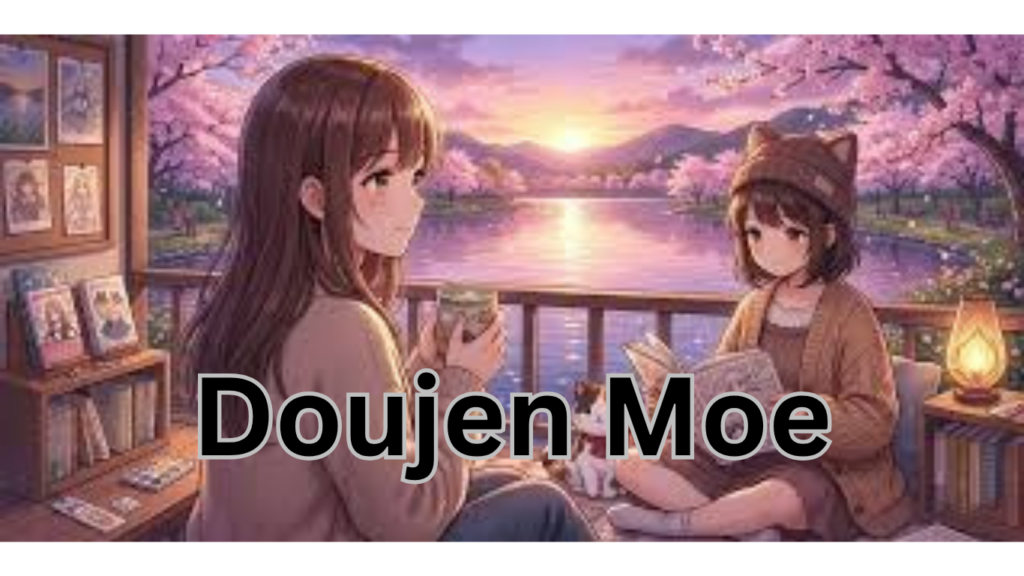

In the vast landscape of digital culture and global fandom communities, niche phenomena often emerge that defy simple classification. Doujen Moe is one such concept. At first glance the phrase may appear opaque or unfamiliar, but beneath the surface it represents a rich blend of cultural roots, creative expression, emotional resonance, and participatory community engagement that has continued to evolve into 2026. While not a person, Doujen Moe functions almost like a living cultural identity: a term used by fans and creators alike to describe a distinctive segment of anime‑inspired independent art and storytelling that prioritizes emotional connection. In this expansive article, we unpack the origins, signification, creative practices, community dynamics, and contemporary significance of Doujen Moe while exploring why it matters today.
What Is Doujen Moe? Understanding the Core Meaning
At its core, Doujen Moe is an expression that merges two foundational elements rooted in Japanese pop culture and extended through global online fandoms. “Doujen” is widely interpreted as a stylized variation of doujin (同人), a Japanese term for self‑published or fan‑created works such as manga, comics, illustrations, light novels, and other creative media produced outside of major publishing houses. “Moe” (萌え) is another Japanese cultural term that does not translate directly into English but is best understood as the warm, affectionate emotional response audiences feel toward characters perceived as endearing, charming, or emotionally resonant. When combined, Doujen Moe becomes a label for independent creative works that seek to evoke that deep emotional attachment through character design, narrative nuance, and visual storytelling.
Unlike traditional commercial media, Doujen Moe creations are grassroots and community‑driven, often prioritized by personal expression, intimacy, and emotional precision over broad commercial appeal. This unique hybridity—between independent creation and emotionally charged aesthetics—is what sets Doujen Moe apart from other art and fan culture movements.
The Historical Roots: From Doujinshi to Digital Subculture
To comprehend the emergence of Doujen Moe, one must first trace its lineage back to the broader tradition of doujinshi. In Japan, doujinshi culture has existed for decades. It gained widespread recognition through gatherings like Comiket (Comic Market) in Tokyo, one of the largest fan conventions in the world, where independent creators gather to share and sell their own manga, artbooks, and creative works. Unlike mainstream anime or manga production, doujinshi is auteur‑driven: individual or small creator circles decide what stories to tell, which characters to explore, and how to express themselves without editorial gatekeepers. This dynamic gave rise to art and narrative styles that were deeply personal, often experimental, and emotionally rich.
During the late twentieth century, moe emerged as a distinct cultural term within anime and manga fandoms. While its origins are debated among scholars and fans, it became closely associated with character design and audience response, particularly in contexts where characters embody vulnerability, innocence, or emotional sincerity. The fusion of doujin culture’s independent ethos with moe’s emotional focus laid the foundation for what we now refer to as Doujen Moe.
Visual Characteristics: Art Style and Aesthetics of Doujen Moe
One of the most recognizable elements of Doujen Moe is its visual language. Works in this space tend to embrace stylistic choices that foreground emotional clarity over technical realism. Characters are often designed with expressive eyes, rounded features, soft color palettes, and simplified yet evocative details that invite the viewer to connect emotionally at a glance. This visual approach aligns with the broader moe aesthetic, which emphasises warmth, appeal, and affection rather than dramatic intensity or hyper‑realistic depiction.
The choice of color, composition, and detail in Doujen Moe art often serves a specific purpose: to make the viewer feel something immediate and profound. Whether through a gentle blush, a wistful expression, or a quiet moment between characters, these visual cues are calibrated to trigger that core emotional response that defines the moe phenomenon. The result is artwork that feels intimate and relatable, inviting fans to see themselves not merely as observers but as participants in the emotional universe of the piece.
Narrative and Storytelling: Prioritizing Emotion Over Plot
Doujen Moe does not merely rely on visual aesthetics. Its storytelling practices distinguish it further from mainstream narratives. Rather than focusing on convoluted plot twists or grandiose worldbuilding, Doujen Moe storytelling often thrives on simple, quiet, emotionally charged moments. Scenes of everyday life—shared meals, quiet conversations in soft light, personal introspection—are common, and these moments are chosen specifically for their ability to cultivate feeling.
This narrative emphasis on emotional resonance reflects the foundational goal of Doujen Moe: creating stories and characters that feel deeply meaningful on a personal level. The absence of blockbuster spectacle is not a limitation but a deliberate choice to spotlight intimacy and connection. This focus aligns with how fans interact with characters and narratives in online communities, where shared emotional experiences are often more valued than commercial production scale.
Community and Culture: How Doujen Moe Thrives Globally
While the roots of Doujen Moe are grounded in Japanese fan culture, its reach has expanded far beyond national borders, especially with the rise of digital platforms. Sites like Pixiv, BOOTH, MangaDex, and other fan art communities have become hubs where creators share their Doujen Moe works with global audiences. These platforms enable artists to showcase and distribute their creations digitally, often directly to fans without intermediaries, reinforcing the independent spirit that defines the movement.
Online communities and conventions—both virtual and physical—play a significant role in sustaining Doujen Moe. Forums, social media groups, and fan events serve as spaces for fans and creators to exchange ideas, celebrate shared aesthetics, and inspire one another. These communities operate on participatory principles: every voice can contribute, and each creative output enriches the collective culture. Through these shared spaces, Doujen Moe continues to evolve as a living, dynamic subculture.
The Creator Economy: Doujen Moe and Digital Commerce
In the context of the broader digital creator economy, Doujen Moe highlights how independent artists can cultivate sustainable creative practices outside mainstream commercial frameworks. While many Doujen Moe works remain free or shared within fan communities, others are monetized through digital marketplaces, print collections, and limited‑edition artbooks. Platforms like BOOTH allow creators to sell their works directly, fostering a decentralized model of creative commerce.
This shift parallels wider trends in creator‑driven markets where authenticity, niche appeal, and direct engagement with audiences often yield economic success without reliance on major studios or corporate sponsorship. Doujen Moe’s alignment with this model underscores its relevance not only as a cultural phenomenon but also as an example of how independent creators navigate the complexities of digital platforms, intellectual property concerns, and audience demand.
Psychological Appeal: Why Doujen Moe Resonates
One of the most intriguing aspects of Doujen Moe is the psychological response it elicits from audiences. Studies in media psychology suggest that emotional attachment to fictional characters engages brain mechanisms similar to real interpersonal bonds. This may explain why characters designed with the emotional touchstones of moe—vulnerability, softness, warmth—can be more memorable and personally meaningful than characters in broader commercial productions.
Doujen Moe capitalizes on this phenomenon by prioritizing emotional clarity and connection. Fans are drawn not just to characters themselves, but to the feeling those characters embody. This emotional resonance fosters deep engagement, discussions, creative reinterpretations, and a sense of belonging within fan communities. In many ways, Doujen Moe becomes not just an aesthetic label but a psychological bridge between creator intention and audience experience.
Legal and Cultural Considerations in 2026
As Doujen Moe continues to thrive, it occupies a complex space in terms of copyright, legality, and ethical considerations. Many Doujen Moe creations draw inspiration from existing media—popular anime, manga, or gaming franchises—placing them in a legal gray area. In Japan, doujin culture has historically been tolerated by copyright holders because it strengthens fan engagement with original works. Globally, however, legal standards vary significantly, and creators need to navigate intellectual property laws carefully.
Ethically, respecting original creators while supporting fan creativity remains an ongoing challenge for the community. Many platforms enforce content rating systems, community guidelines, and filters to ensure safe and respectful sharing. As the Doujen Moe landscape continues to develop, discussions around legal clarity, creator rights, and audience boundaries are becoming more prominent within forums, conventions, and academic circles alike.
The Future of Doujen Moe: Trends and Predictions for 2026 and Beyond
Looking ahead, Doujen Moe shows no signs of diminishing. Its adaptability to digital platforms, its capacity to foster emotional engagement, and its alignment with independent creative economies all suggest that it will continue to evolve as a vibrant subculture. By 2026, Doujen Moe has already influenced how creators think about narrative intimacy, audience connection, and participatory art creation.
Emerging trends indicate increased global participation, experimentation in multimedia formats (such as interactive comics and sound‑enhanced storytelling), and greater integration with virtual convention ecosystems that blur the lines between creators and audiences. The movement’s capacity to adapt and expand across mediums—while retaining its emotional core—means that Doujen Moe will remain relevant, inspiring new generations of fans and creators alike.
Conclusion: The Enduring Significance of Doujen Moe
Doujen Moe may not have a traditional biography in the sense of an individual life story, but as a cultural phenomenon it has a rich narrative that spans artistic expression, emotional resonance, digital community engagement, and creative independence. From its roots in Japanese doujinshi and moe aesthetics to its global resonance in 2026, Doujen Moe encapsulates a distinct creative identity that challenges and enhances traditional notions of fandom and art. Its emphasis on emotional connection, independent production, and grassroots community involvement ensures that it will continue to occupy an important place in digital culture for years to come